Digital Marketing Trends You Should Know in 2026 | NeoTechZone
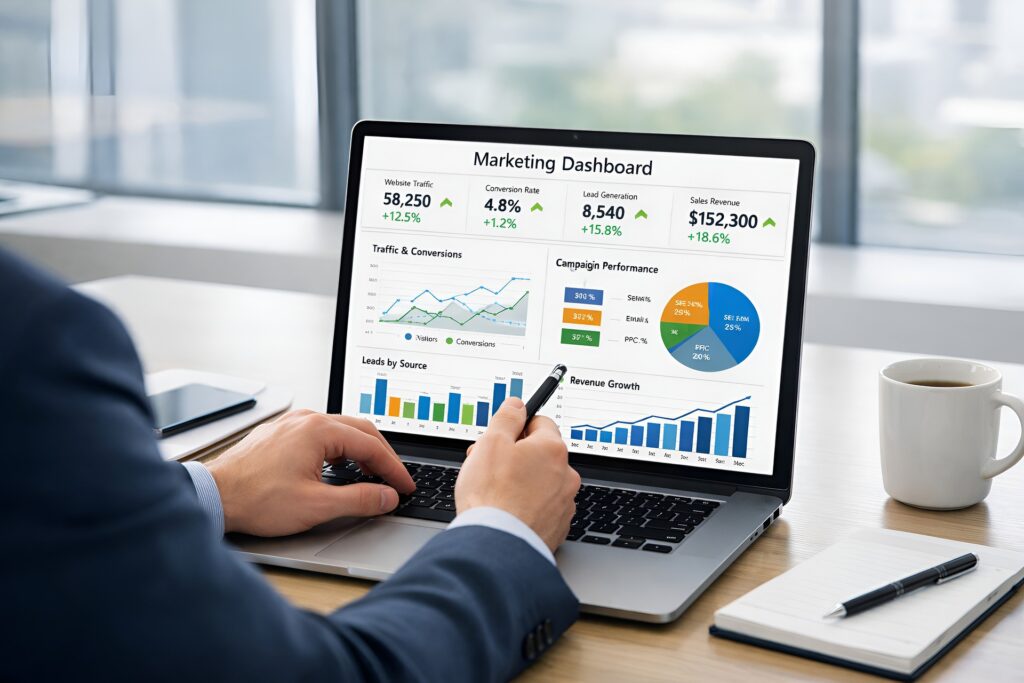
Digital Marketing Trends You Should Know in 2026 Digital marketing is evolving faster than ever before. New technologies, changing consumer behavior, and AI-powered tools are transforming how businesses connect with their audiences. Strategies that worked a few years ago may no longer deliver the same results today. Whether you’re a blogger, business owner, freelancer, or digital marketer, understanding the latest trends will help you create more effective campaigns, increase website traffic, and grow your online presence. In this guide, we’ll explore the most important Digital Marketing Trends You Should Know in 2026 Why Keeping Up with Digital Marketing Trends Matter Digital marketing is constantly changing. Staying updated helps you: Reach the right audience Improve website traffic Increase sales and conversions Build stronger customer relationships Stay ahead of competitors Adapt to new technologies Businesses that embrace new trends early often gain a competitive advantage. 1. AI-Powered Marketing Will Dominate Artificial Intelligence is no longer just a trend—it’s becoming a core part of digital marketing. AI helps marketers: Generate content Write emails Create ad copy Analyze customer behavior Personalize marketing campaigns Automate repetitive tasks Popular AI tools are making marketing faster, smarter, and more efficient. Best Use Cases Content Writing Customer Support Social Media Management Email Marketing SEO Optimization 2. Short-Form Video Content Continues to Grow Platforms like YouTube Shorts, Instagram Reels, and TikTok have changed how people consume content. Short videos are: Easy to watch Highly shareable Great for engagement Effective for brand awareness Tips Keep videos under 60 seconds. Use captions. Start with a strong hook. Include a clear call to action. 3. Voice Search Optimization More people are using voice assistants to search online. Instead of typing: best AI tools People now ask: What are the best AI tools for students? To optimize for voice search: Write conversational content Answer common questions Include FAQ sections Use natural language 4. Personalized Marketing Customers expect personalized experiences. Businesses now use AI and customer data to provide: Product recommendations Personalized emails Customized landing pages Targeted advertisements Personalization improves engagement and customer satisfaction. 5. SEO is Becoming More User-Focused Google continues to prioritize helpful, original, and trustworthy content. Successful SEO now focuses on: User intent High-quality content Website speed Mobile optimization Great user experience Creating content that genuinely helps readers is more important than simply targeting keywords. 6. Social Commerce is Expanding Social media is becoming a shopping destination. Users can discover products, read reviews, and make purchases without leaving the platform. Popular platforms include: Instagram Facebook TikTok Pinterest Businesses should optimize their profiles and product listings for social commerce. 7. Email Marketing Remains Effective Despite the rise of social media, email marketing continues to deliver strong results. Best practices include: Personalized subject lines Valuable content Clear calls to action Mobile-friendly emails Audience segmentation Building an email list remains one of the most valuable digital marketing assets. 8. Influencer Marketing is Becoming More Authentic Brands are increasingly partnering with smaller creators who have loyal, engaged communities. Micro-influencers often provide: Higher engagement More authentic recommendations Better audience trust Cost-effective campaigns Choose influencers whose audience aligns with your brand. 9. First-Party Data is More Important Than Ever As privacy regulations evolve, businesses are relying more on first-party data collected directly from their customers. Examples include: Email subscribers Customer accounts Website forms Survey responses Building trust while collecting data responsibly is essential. 10. Automation Saves Time Marketing automation allows businesses to focus on strategy rather than repetitive tasks. Automation can help with: Email sequences Social media scheduling Lead nurturing Customer follow-ups Workflow management Automation improves efficiency without replacing human creativity. 11. Interactive Content Boosts Engagement Interactive content keeps users involved and encourages longer sessions. Examples: Quizzes Polls Calculators Interactive infographics Surveys Interactive experiences often generate higher engagement than static content. 12. Mobile-First Marketing Most internet users browse websites using smartphones. A mobile-friendly website should have: Responsive design Fast loading speed Readable text Easy navigation Optimized images A poor mobile experience can reduce both conversions and search visibility. 13. Building Trust Through Valuable Content Modern audiences value honesty and expertise. Instead of publishing large amounts of content, focus on: Solving real problems Sharing practical advice Using accurate information Updating older articles Writing clearly Helpful content builds long-term trust and authority. 14. Community Building Successful brands are creating communities rather than simply selling products. You can build a community through: Email newsletters Social media groups Forums Webinars Live Q&A sessions Strong communities encourage repeat visitors and loyal customers. 15. Data-Driven Marketing Modern marketers rely on data to make better decisions. Track important metrics such as: Website traffic Bounce rate Conversion rate Click-through rate (CTR) Time on page Email open rate Regular analysis helps identify what’s working and what needs improvement. Top Digital Marketing Trends at a Glance Trend Why It Matters AI Marketing Improves productivity and personalization Short Videos Drives engagement and reach Voice Search Matches natural search behavior Personalized Marketing Enhances customer experience SEO Increases organic traffic Social Commerce Simplifies online shopping Email Marketing Builds lasting customer relationships Influencer Marketing Expands brand reach Marketing Automation Saves time and improves efficiency Mobile Optimization Essential for user experience Digital Marketing Checklist for 2026 Before launching your next campaign: Use AI to improve productivity Create helpful, original content Publish short-form videos Optimize for mobile devices Improve website speed Build an email list Personalize your marketing Track campaign performance Focus on SEO Test and improve continuously Final Thoughts Digital marketing in 2026 is about creating meaningful experiences for users while using technology to work more efficiently. AI, personalization, video content, SEO, automation, and mobile optimization are shaping the future of online marketing. The most successful marketers won’t simply follow trends—they’ll adapt them to their audience’s needs. Focus on delivering value, building trust, and continuously improving your strategies based on data and customer feedback. Frequently Asked Questions (FAQs) What is the biggest digital marketing trend in 2026? AI-powered marketing is one of the biggest trends, helping businesses create content, automate tasks, personalize campaigns, and analyze data more